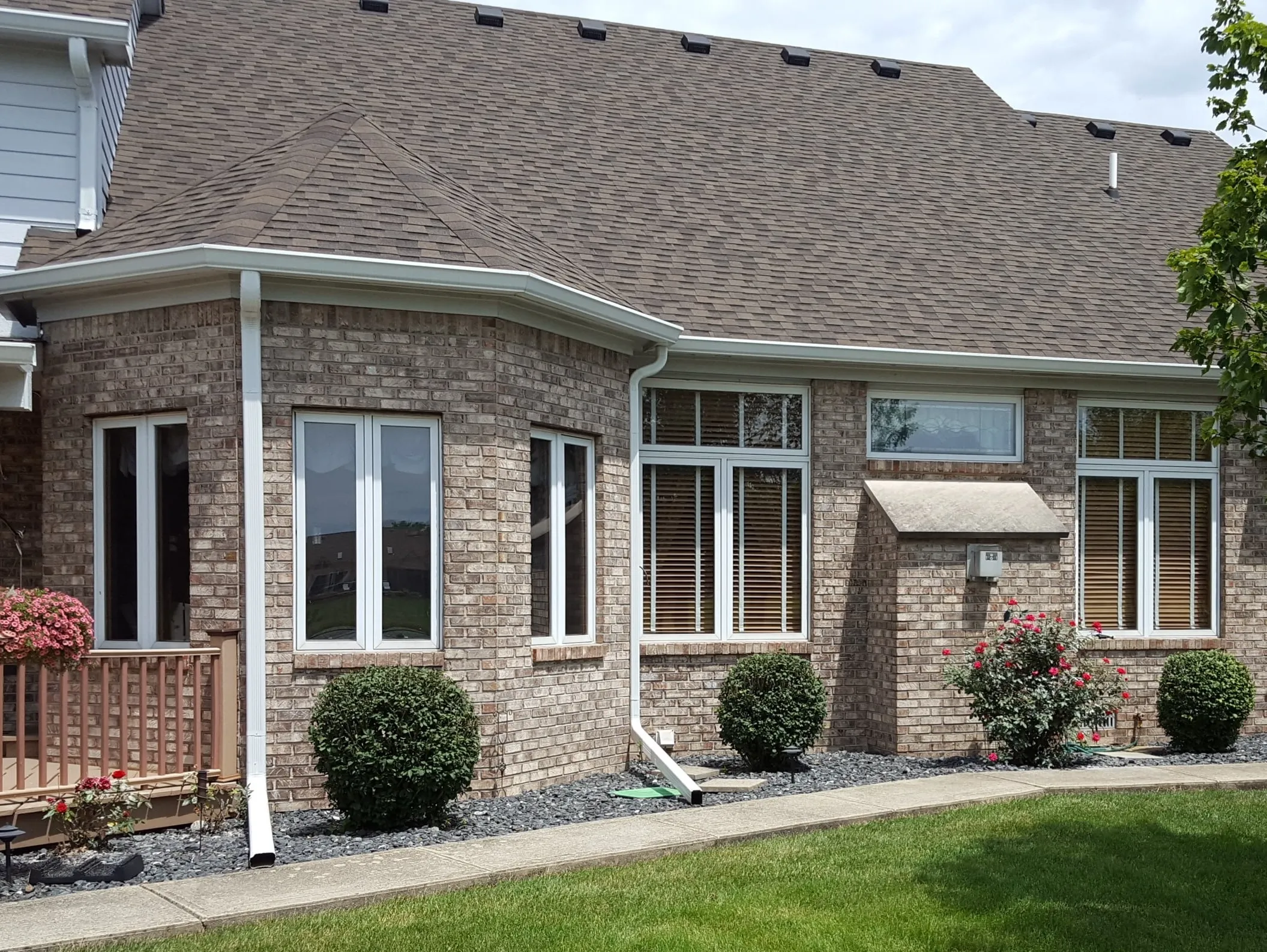
If your Central Indiana home was built between 1970 and 2000, there is a good chance your windows are working against you. Single pane glass, failed seals, and rotting frames let conditioned air escape in January and invite heat indoors every August. Windows account for 25% to 30% of residential heat loss and heat gain, according to the U.S. Department of Energy. In a state where winter lows dip into the teens and summer highs climb past 90°F, that leakage adds up fast on your energy bills.
This guide covers how energy efficient replacement windows work, which glass and frame options deliver the best energy performance for Indiana’s climate, how to read ratings like U-factor and solar heat gain coefficient, and what a full project costs in 2026. You will learn about ENERGY STAR certified windows, double pane and triple pane glass, frame material choices, and the installation process that makes or breaks real-world energy efficiency. Custom Exteriors, a Greenfield, Indiana remodeling contractor serving Central Indiana since 1981, wrote this guide based on decades of hands-on window replacement across Hancock and Marion counties.
Table of Contents
- Why Upgrade to Energy Efficient Windows Now?
- What Makes a Window Energy Efficient?
- Window Styles: Which Are the Best Energy Efficient Replacement Windows?
- Frame Material Choices and Energy Efficiency
- Glass Options: Double Pane, Triple Pane, Low-E, and Gas Fills
- Understanding Window Energy Ratings: U-Factor, R-Value, SHGC & More
- Costs, Savings, and Return on Investment in 2026
- Our Energy Efficient Window Replacement Process in Central Indiana
- FAQs About Energy Efficient Windows
- Why Choose Custom Exteriors for Your New Energy Efficient Windows?
- Next Steps: Schedule Your Free Energy Efficient Window Evaluation
Why Upgrade to Energy Efficient Windows Now?
Drafts near window frames in winter. Condensation trapped between panes. Soft, rotted wood that crumbles when you press a screwdriver into it. Sashes that stick or refuse to lock. If you recognize any of these in your home, your windows are past their useful life. Many homeowners in Central Indiana live with these problems for years, not realizing how much energy and money they lose each season.
Replacing old windows reduces household heating and cooling energy use by 7% to 15%. ENERGY STAR certified windows reduce energy bills by 25% to 30% compared to single pane windows. Replacing single pane windows with ENERGY STAR certified models cuts costs by about 13% even when compared to older double pane units. Those savings translate into real comfort: fewer drafts, warmer rooms near windows in December, and cooler interiors during direct sunlight on August afternoons.
Beyond saving money on energy costs, upgrading reduces strain on your HVAC system, extends equipment life, and shrinks your household carbon footprint. With rising utility rates in Indiana, many homeowners are pairing window replacement with roof, siding, or door projects in 2026 to maximize value.
What Makes a Window Energy Efficient?
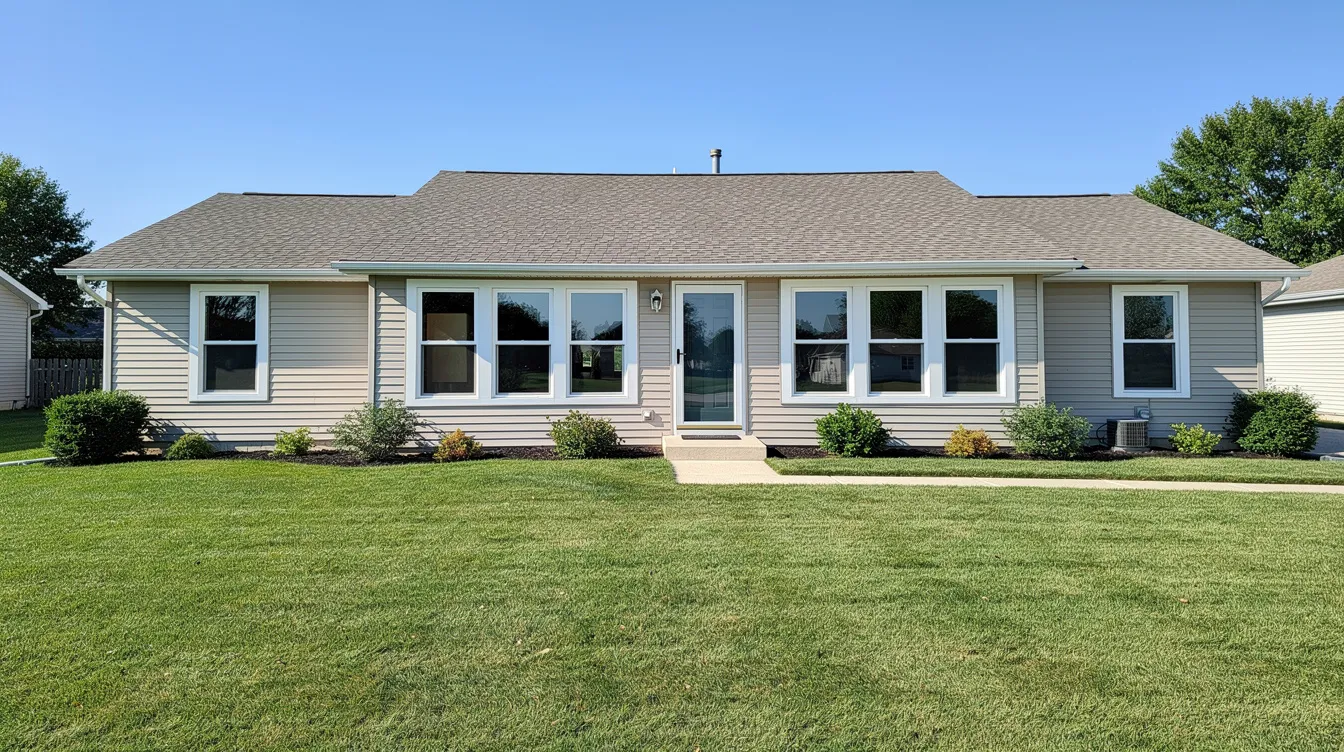
An energy efficient window minimizes unwanted heat transfer between indoors and outdoors while still letting in natural light. It is not a single product feature; it is a system of components working together:
- Frame: the frame material and its insulation determine how much heat conducts through the structure and how well the window resists air leakage.
- Glazing: multiple panes of insulating glass, low-E coatings, and gas fills between panes reduce heat loss in winter and heat gain in summer.
ENERGY STAR certification confirms a window meets region-specific performance thresholds. Central Indiana falls in the Northern climate zone, where windows must achieve a U-factor of roughly 0.30 or lower to qualify. The best energy efficient windows for your home also match your budget, your home’s architectural style, and your maintenance preferences; the lowest U-factor on a spec sheet is not always the right pick if the frame material or window type does not suit your situation.
Window Styles: Which Are the Best Energy Efficient Replacement Windows?
Window style affects more than appearance. The way a sash opens, closes, and seals determines how much air leakage the unit allows over its lifetime.
Picture and fixed windows have no moving parts. They produce the tightest seal and lowest air leakage of any window type, making them ideal for large living room openings or north-facing walls where ventilation is less important.
Casement windows rank among the most energy efficient windows with operable sashes. When you turn the crank handle, the sash presses against the frame and compresses the weatherstrip, creating a tight seal. They work well over kitchen sinks or on west-facing walls where you want to catch a breeze without sacrificing efficiency. Bow windows that combine fixed center panes with casement flankers can balance views, ventilation, and energy performance in a single opening.
Awning windows, hinged at the top, share the same compression-seal advantage as casements and allow ventilation during light rain.
Double-hung and single-hung windows remain the most popular style in Indiana homes. Modern versions with interlocking meeting rails and multi-point locks perform well, though they inherently allow slightly more air leakage than casements or fixed units.
Sliding windows depend on track quality and weatherstripping for their efficiency. A well-built slider is convenient for wide openings but will not match the seal of a casement.
The most energy efficient windows on paper are fixed units. In practice, every home needs a mix of operable and fixed windows for egress, ventilation, and comfort. Custom Exteriors often combines styles across a home to optimize energy performance room by room.
Frame Material Choices and Energy Efficiency
Frame material accounts for roughly 20% to 30% of a window’s total thermal performance. Choosing the right frame is as important as choosing the glass.
Vinyl frames are the most common choice for energy efficient windows in Indiana and are a frequent recommendation in our window replacement services across Central Indiana. They resist drafts, require minimal maintenance, and offer a strong price-to-performance ratio. Because vinyl does not conduct heat the way metal does, it provides good insulation without added cost. Frame materials affect thermal resistance, and vinyl delivers well for most budgets.
Fiberglass frames are highly energy efficient and long-lasting. They expand and contract at nearly the same rate as glass, which helps maintain a tight seal over decades. For homeowners who want the best long-term energy performance, fiberglass is hard to beat. Some manufacturers also offer Fibrex material, composed of 40% reclaimed wood fiber, blending sustainability with stability.
Composite frames combine wood fibers or other materials with polymers for improved R-value and durability. They can rival or exceed solid wood in thermal performance while requiring less upkeep.
Wood frames with exterior cladding (aluminum or fiberglass) offer excellent thermal performance and a traditional look, though the wood core needs periodic inspection and occasional maintenance to prevent moisture damage. When evaluating wood versus fiber cement or vinyl exteriors, our siding contractor team in Central Indiana can help you balance efficiency and curb appeal.
Aluminum frames conduct heat easily, reducing energy efficiency. Unless the frame is thermally broken with an insulating strip separating interior and exterior metal, aluminum is a poor choice for Indiana’s heating-dominated climate. Custom Exteriors rarely recommends aluminum-only frames for residential windows in our service area.
Glass Options: Double Pane, Triple Pane, Low-E, and Gas Fills
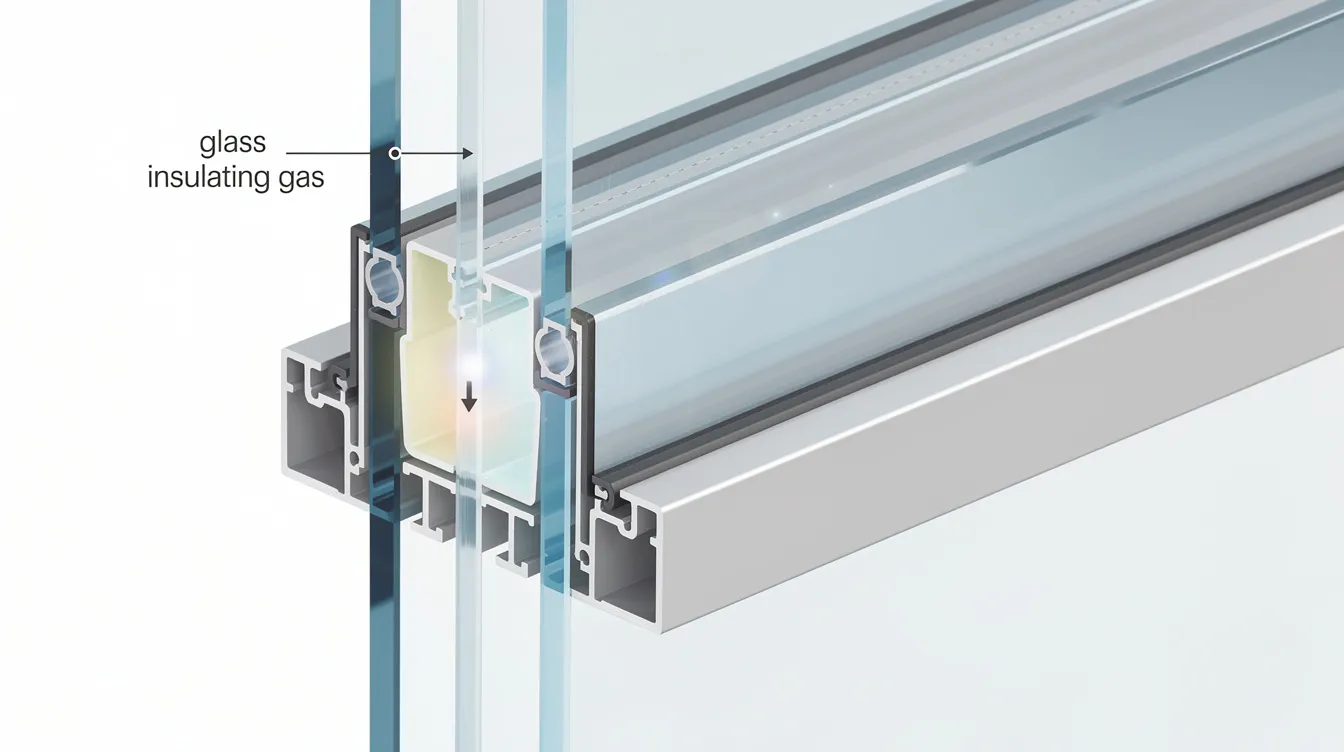
Modern energy efficient windows rely on insulated glass units. The number of panes, coatings, and gas fills determine how well the glass controls heat flow.
Double pane windows use two sheets of glass separated by a sealed gap. Double pane glass improves insulation compared to single pane glass and is the baseline for energy efficient residential windows in Central Indiana. For most homes, double pane with low-E coating and argon gas fills meets or exceeds ENERGY STAR Northern Zone requirements.
Triple pane windows add a third sheet of glass and a second sealed cavity. Triple pane glass enhances insulation in colder climates and reduces outside noise. In Central Indiana, triple pane makes sense for large picture windows, street-facing bedrooms, or homeowners replacing very old single pane windows where maximum comfort improvement is the goal. The tradeoff: triple pane units cost 20% to 50% more and weigh more, sometimes requiring reinforced framing.
Low-E glass carries a thin, transparent coating that reflects infrared energy to maintain indoor temperatures. Low-E glass reduces UV and infrared light penetration, protecting floors, furniture, and artwork from fading. Combined with inert gas fills, low-E glass offers high solar control without noticeably dimming natural light.
Argon gas fills the space between panes, slowing convection and improving insulation compared to plain air. Krypton gas performs even better in narrow cavities but costs more. Argon gas fills remain the most cost-effective upgrade for Indiana homes. Inert gas fills like argon improve window insulation measurably; the difference is felt on cold January mornings as less chill radiates from the glass surface.
Warm-edge spacers separate the panes at the perimeter. They reduce condensation along the glass edge and modestly improve overall efficiency by limiting heat transfer through the spacer bar.
Understanding Window Energy Ratings: U-Factor, R-Value, SHGC & More
Every ENERGY STAR certified window carries an NFRC label with standardized ratings. Here is what each number tells you:
U-Factor measures heat transfer through the entire window assembly. A lower U-factor indicates better insulation. High performance residential windows in Indiana typically range from 0.20 to 0.30. ENERGY STAR Most Efficient 2025 windows require U-factor at or below 0.20.
R-Value is the inverse of U-factor (R = 1 / U). A window with a U-factor of 0.25 has an R-value of 4.0. Marketers sometimes highlight R-value because the numbers sound larger, but NFRC certifies U-factor. Use R-value to compare products advertised as “high R-value” by converting back.
Solar Heat Gain Coefficient (SHGC) measures how much solar radiation is admitted through the window on a 0 to 1 scale. In Indiana’s Northern climate zone, moderate SHGC (around 0.25 to 0.40) lets beneficial winter sun warm your rooms while limiting summer overheating. Windows facing south or west receive more sun exposure, so lower SHGC on those facades can reduce unwanted heat gain. Low SHGC is desirable in hot climates to reduce cooling loads.
Visible Transmittance (VT) indicates how much daylight passes through. Values between 0.50 and 0.70 balance brightness and efficiency. Window treatments like blinds or shades can supplement VT control.
Air Leakage (AL) rates the volume of air passing through the window. Air leakage ratings should ideally be lower than 0.30 cfm/ft² to minimize drafts. Valid certifications for energy efficient windows include both the ENERGY STAR label and the NFRC sticker; if a window lacks these, its performance claims are unverified.
Custom Exteriors reviews these ratings with homeowners during every estimate so the decision is based on data, not guesswork.
Costs, Savings, and Return on Investment in 2026
Installed costs for energy efficient replacement windows in Central Indiana in 2026 generally fall into these ranges:
| Factor | Typical Range |
|---|---|
| Vinyl double pane, standard size | $550 – $800 per window |
| Fiberglass or composite frame | $700 – $1,100 per window |
| Triple pane upgrade | Add 20% – 50% per unit |
| Full-frame replacement vs. insert | Full-frame costs more due to exterior trim and flashing work |
| Energy efficient windows can save homeowners hundreds of dollars annually on utility bills. ENERGY STAR windows save $101 to $583 per year depending on the number of windows replaced, home size, and local energy rates. Replacing single pane windows with certified models captures the largest actual savings; upgrading failed double pane units still yields meaningful reductions. |
Savings estimates vary based on your home’s orientation, insulation, and how your HVAC system performs. Payback periods for a typical 10-window project in Indianapolis range from roughly 15 to 25 years when considering energy savings alone. Factor in improved comfort, reduced maintenance, and resale value and the math shifts. Upgrading windows can yield a 69.5% ROI at resale, and buyers in the Indianapolis housing market increasingly prioritize energy performance.
Federal tax credits (Section 25C) cover up to 30% of qualifying window costs through 2026, subject to annual limits. Local utilities like Duke Energy and Citizens Energy Group may offer additional rebates. Request a free estimate from Custom Exteriors to review current offers during your evaluation.
Our Energy Efficient Window Replacement Process in Central Indiana
Custom Exteriors handles every window project with a no-pressure, consultative approach from first contact through final walkthrough.
It starts with a phone call or online form. We schedule a free in-home consultation at a time that works for you. During the visit, our consultant inspects existing windows for rot, failed seals, drafts, and operational problems, and asks about your comfort concerns and energy bills. Based on the home’s age, orientation, and your budget, we recommend specific frame materials, window styles, and glass packages, including whether double pane or triple pane suits each opening.
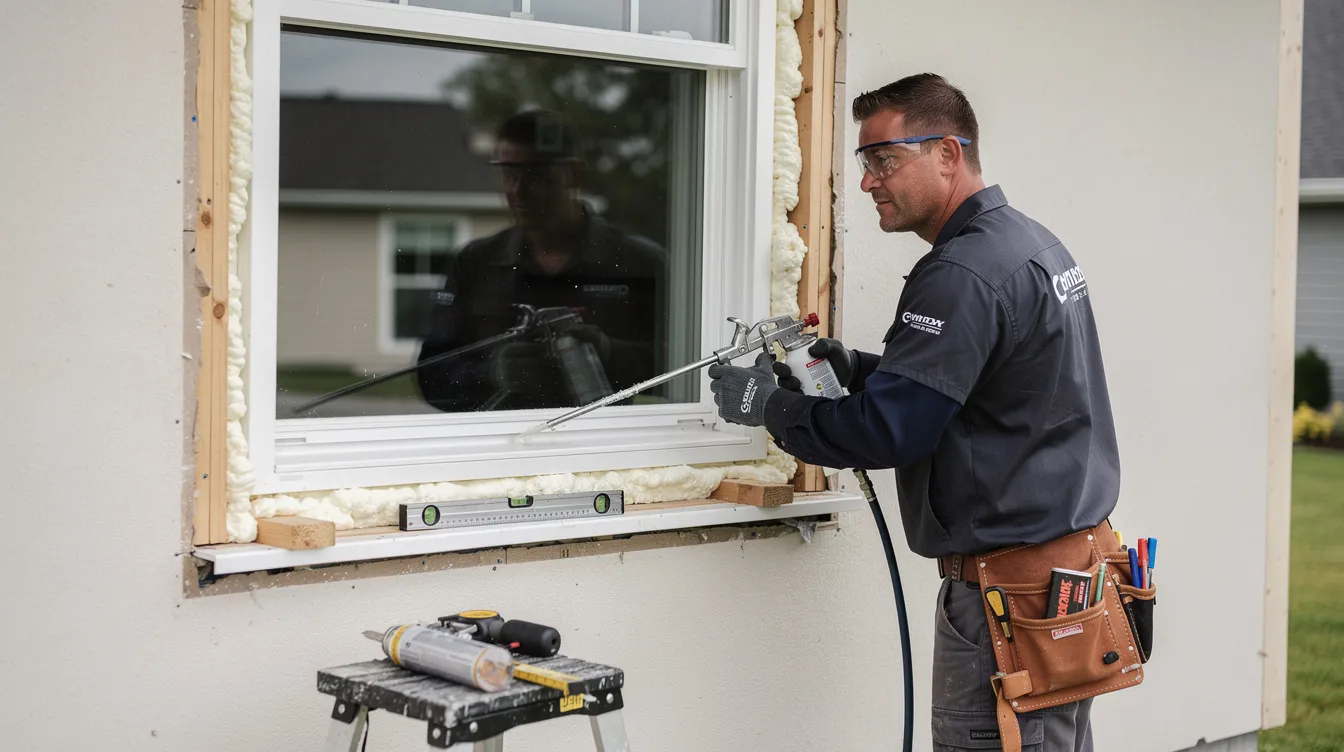
You receive a detailed written proposal with line items, options, and clear pricing. No “sign today or lose the deal” pressure. On installation day (typically one to three days depending on window count), our crews protect floors and furnishings, remove old windows, insulate gaps, and apply proper flashing and sealants per manufacturer specs and Indiana building codes. Proper installation of windows is crucial for achieving rated energy performance; a poorly sealed high-performance window performs no better than the old one it replaced.
We serve Greenfield, Hancock County, Marion County, and surrounding Central Indiana communities. Every project includes a final walkthrough where we demonstrate operation, explain care, and confirm you are satisfied. Our workmanship warranty complements the manufacturer’s product warranty, giving you long-term peace of mind for your window replacement project in Central Indiana.
FAQs About Energy Efficient Windows
What are the most energy efficient windows for homes in Central Indiana?
For most homes here, double pane windows with low-E coating and argon gas fills meet ENERGY STAR Northern Zone standards and deliver strong year-round performance. Triple pane windows are the top tier for colder climates and noisy locations. The best energy efficient windows for your home depend on orientation, existing wall insulation, and budget.
Are double pane windows enough, or do I need triple pane?
Double pane windows provide better insulation than single pane windows and satisfy ENERGY STAR requirements for our region. Triple pane windows are ideal for colder climates, larger openings, or homeowners seeking maximum noise reduction. Custom Exteriors can help you decide which openings justify the upgrade and how new windows will coordinate with projects like basement remodeling for added living space.
How do I know if a window is truly energy efficient?
Look for the NFRC label and the ENERGY STAR certification mark. These confirm the window has been independently tested. A window sold as “energy efficient” without these labels has no verified performance data. Check the U-factor, SHGC, and air leakage numbers on the NFRC sticker.
What is the difference between ENERGY STAR certified windows and other “energy efficient” windows?
ENERGY STAR certification means the window meets minimum performance thresholds set by the EPA for your climate zone. Other windows marketed as energy efficient may use low-E glass or insulated frames but have not been independently verified to meet those standards. The label is your proof.
Will replacing my windows really lower my energy bills?
Yes. Replacing single pane windows can save $101 to $583 annually. Even upgrading from older double pane units with failed seals reduces heating and cooling costs. Actual savings depend on the number of windows replaced, your home’s insulation, and local energy rates.
How long does energy efficient window installation usually take?
Most projects take one to three days. A typical home with 10 to 15 windows can often be completed in two days. Lead safe work practices apply to homes built before 1978, which may add time.
Do I have to replace all my windows at once to see benefits?
No. Prioritizing the worst-performing windows first (single pane glass, failed seals, rotted frames) delivers the fastest return. Custom Exteriors can phase your project across multiple visits if budget is a concern, or help you prioritize complementary upgrades like bathroom remodeling that improves comfort and efficiency.
How long do modern energy efficient windows typically last?
Quality vinyl and fiberglass windows with properly sealed insulating glass typically last 20 to 30 years or more with minimal maintenance. Wood windows offer excellent thermal performance but need periodic upkeep to reach that lifespan, just as updating flooring to durable, low-maintenance options can extend the life and comfort of your interiors.
Why Choose Custom Exteriors for Your New Energy Efficient Windows?
Custom Exteriors has served Central Indiana since 1981. That is over four decades of installing new windows, roofing, siding, and doors on homes across Greenfield, Indianapolis, and the surrounding area.
- Local knowledge: we understand how Indiana’s freeze-thaw cycles, humidity, and wind-driven rain affect window performance and building envelopes.
- Quality products: we install ENERGY STAR certified windows with energy efficient features, durable frame materials, and manufacturer warranties from reputable brands.
- Skilled installation: our crews follow best practices for air sealing, insulation, and flashing so real-world energy performance matches advertised ratings.
- No-pressure process: free estimates, detailed proposals, honest recommendations. If some of your existing windows are still in good shape, we will tell you.
- Full-service capability: we coordinate window replacement with siding, doors, roofing, new decks designed for daily living, and covered porches, plus interior remodeling through Custom Interiors, so your upgrades work together rather than piecemeal. You can explore our full range of exterior and interior remodeling services when planning your project.
Choosing a local contractor with a Better Business Bureau track record and long-term community ties means ongoing support if questions arise years from now.
Next Steps: Schedule Your Free Energy Efficient Window Evaluation
Lower energy bills, more comfortable rooms, quieter interiors, and improved curb appeal start with the right windows and the right installer. Contact Custom Exteriors for a free, no-obligation window evaluation at your Central Indiana home. Call us, fill out the form on our website, or stop by. Our consultation includes honest recommendations tailored to your home’s needs, not a scripted sales pitch. If bundling window replacement with roofing, siding, or door upgrades makes sense for your home’s energy performance, we will walk you through the options. The goal is straightforward: help you choose energy efficient replacement windows that perform for decades, installed by people who stand behind their work.